



Why Sealing Your Sump Pump Is Important for Radon Control
If you have a basement, there’s a good chance you also have a sump pump. It quietly protects your home from flooding—but there’s another, less obvious role it can play in your home’s safety: radon control.
Radon is an invisible, odorless gas that can enter homes through cracks in the foundation, gaps in flooring, and yes—your sump pit. And if that pit is open or poorly sealed, it can become one of the easiest pathways for radon to sneak inside.
A sump pit is basically an open hole in the lowest part of your home. That makes it a natural collection point for groundwater—but also for soil gases like radon. When the pit isn’t sealed, radon can enter directly through the basin, escape into your basement air, and spread throughout the home through natural airflow and HVAC circulation. Even if other radon protection measures are in place, an unsealed sump pit can weaken the entire system.
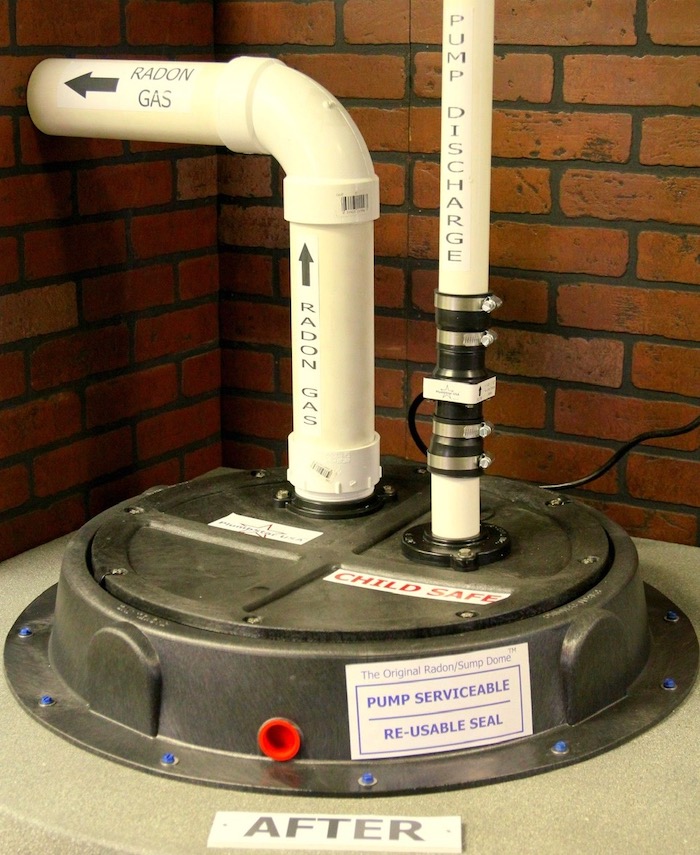
Sealing the sump pump helps block radon before it spreads. A properly sealed sump system creates a tight barrier between the soil beneath your home and the air you breathe. This reduces radon entry through the sump basin, supports the effectiveness of radon mitigation systems, and helps maintain more stable indoor air quality. It also reduces pressure differences that can draw soil gases into the home. Think of it as closing off one of the most direct access points before it becomes a bigger issue.
It also improves how radon mitigation systems perform. If a radon system is already installed, an unsealed sump pit can interfere with how efficiently it works. Sealing helps the system maintain better suction under the slab, reduces unwanted air leaks, and allows airflow to be directed more effectively toward radon reduction. In simple terms, it helps the system do its job without working harder than it needs to.
There are added benefits beyond radon control as well. A sealed sump pump helps reduce musty basement odors, controls humidity more effectively, prevents insects from entering through the pit, and limits dirt or debris buildup. So it contributes to a cleaner, drier, and healthier basement environment overall.
It may be time to check your system if your sump pit is uncovered or loosely covered, if you’ve never tested your home for radon, if your basement has persistent musty smells, or if you’re planning to install or upgrade a radon mitigation system. Even newer homes can benefit from sealing, especially in areas where radon levels are naturally higher.
Small gaps can create big problems when it comes to radon. Sealing your sump pump is a simple but important step that helps protect your home from below, strengthens your radon mitigation system, and improves overall indoor air quality.
At Radon Systems LLC, we focus on building radon solutions that work together as a complete system, and sump pump sealing is one of the key parts of that protection.


