



Why DIY Radon Mitigation Is Not Recommended?
- Radon systems require precise airflow calculations
- Improper installation can lead to ineffective radon reduction
- Sealing errors can allow radon to continue entering the home
- Incorrect fan sizing may cause system failure or noise issues
- Poor vent placement can redirect gas back into living spaces
- Lack of proper testing after installation can hide ongoing risk
- Building codes and safety standards may not be met
- Electrical work for fans requires proper handling and compliance
- DIY systems may look installed but still leave unsafe radon levels
- No professional warranty or long-term system guarantee
Why Radon Mitigation Requires Professional Installation
Radon is an invisible, odorless gas that can build up inside homes and reach dangerous levels without any warning. Because you cannot see or smell it, proper mitigation requires more than just basic home improvement skills—it requires testing, engineering, and precise system design.
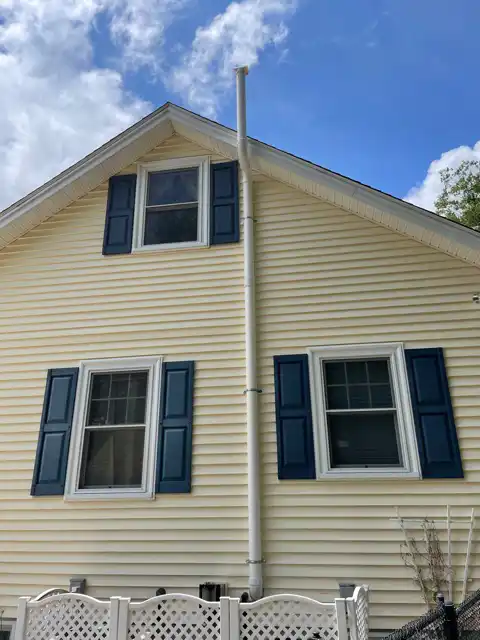
A radon mitigation system works by pulling radon gas from beneath the home and safely venting it above the roofline. While this may sound simple, the effectiveness of the system depends on multiple technical factors, including soil conditions, foundation type, air pressure differences, and fan performance.
DIY installations often fail because small mistakes can have big consequences. For example, using the wrong fan size may not create enough suction to pull radon from under the home. Improper sealing of foundation cracks can also allow radon to continue entering indoors, even if a system is running.
Another critical issue is placement. Vent pipes must be installed in a way that prevents radon from re-entering the home or nearby windows and air intakes. Without professional knowledge of airflow and building codes, this step is easy to get wrong.
Even if a DIY system appears to be working, there is no guarantee that radon levels have actually dropped to safe limits. That’s why post-installation testing is essential—and often overlooked in non-professional setups.
Professional installers also ensure systems comply with local safety standards and are designed for long-term performance. This includes proper electrical connections for fans, durable materials for venting, and ongoing system verification.
Why Choose Radon Systems LLC
At Radon Systems LLC, we specialize in designing and installing radon mitigation systems that are properly tested, code-compliant, and built for lasting protection. Our goal is to ensure your home is safe, not just “set up.”
If your home has elevated radon levels, professional installation is the most reliable way to reduce risk and protect your household.
Don’t take chances with radon exposure. Trust experienced professionals to install a system that actually works.
Contact Radon Systems LLC today for expert radon testing and mitigation services.


