



Why Basements Are More Vulnerable to Radon Exposure
Common Reasons Basements Have Higher Radon Levels
- Direct contact with the soil beneath the home
- Cracks and openings in basement foundations
- Poor ventilation and limited airflow
- Negative air pressure pulling radon indoors
- Moisture and sump pit entry points
Why Basements Face Greater Radon Risks
Radon is a naturally occurring radioactive gas that forms from the breakdown of uranium in soil and rock. Because it originates underground, basements are often the first area where radon enters a home. Any direct contact between the foundation and the surrounding soil can create pathways for radon gas to seep indoors.
Small cracks in concrete floors, gaps around utility lines, sump pumps, floor drains, and unfinished crawl spaces can all allow radon to enter basement areas. Since radon is invisible and odorless, homeowners usually have no warning signs that elevated levels are present without professional testing.
Basements are also more vulnerable because they often have reduced ventilation compared to upper levels of the home. Limited airflow allows radon gas to accumulate over time, especially during colder months when windows remain closed and homes are tightly sealed for energy efficiency.
Another factor is pressure differences inside the home. Warm indoor air naturally rises and escapes through upper levels, creating a vacuum effect that pulls air from the soil into the basement. This process, known as the stack effect, can continuously draw radon gas through foundation openings.
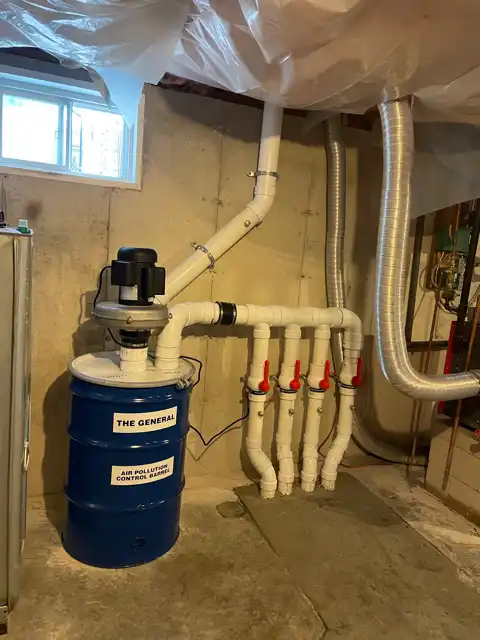
Professional radon testing is the only reliable way to determine if dangerous radon levels are present. If elevated levels are detected, a professionally installed mitigation system can safely reduce radon concentrations and help protect indoor air quality throughout the home.
At Radon Systems LLC, professional radon testing and mitigation solutions help homeowners create safer living environments by addressing radon problems at their source.


