



What Homeowners Should Know Before Installing a Radon System
Radon is a naturally occurring gas that can enter homes through the ground and build up indoors without any obvious warning signs. Because it has no smell, color, or taste, many homeowners don’t realize they have a radon problem until they test for it. If your home has elevated radon levels, installing a mitigation system is one of the most effective ways to reduce the gas and protect your indoor air. Before moving forward with installation, it helps to understand how radon systems work, why every home is a little different, and what to expect from the process.
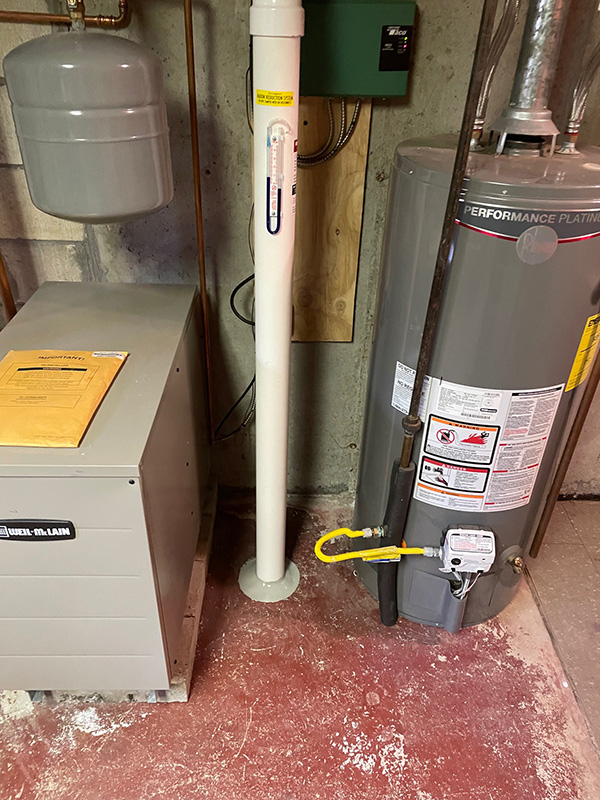
The first thing homeowners should know is that a radon system is designed based on how radon enters and moves through a specific home. In many cases, radon comes in through cracks in the foundation, gaps around pipes, sump pits, crawl spaces, or other openings where the house meets the soil. A mitigation system works by drawing radon gas from beneath the home and venting it safely outside before it can accumulate indoors. The exact design of the system will depend on factors like your home’s foundation type, whether you have a basement or crawl space, and how the home is laid out.
Homeowners should also understand that radon mitigation is more than simply installing a pipe and fan. A professional installer will evaluate the structure of the home, identify the best suction point, determine the most effective venting route, and seal certain openings where appropriate to improve system performance. Placement matters because the goal is to reduce radon levels efficiently while keeping the system as unobtrusive as possible. In many homes, the vent pipe is routed through a garage, utility area, attic, or exterior wall, depending on what works best for both function and appearance.
Another important part of the process is testing and follow-up. Radon system installation is based on the results of radon testing, and once the system is in place, the home should be tested again to confirm that radon levels have been reduced. Homeowners should know that mitigation systems are highly effective, but performance should always be verified after installation rather than assumed. It’s also helpful to ask about fan placement, system noise, labeling, and future maintenance so you understand how the system will operate over time and what to watch for if service is ever needed.
At Radon Systems LLC, we help homeowners make informed decisions about radon mitigation by designing systems that fit the home and target the source of the problem. If you’re preparing to install a radon system, knowing what goes into the process can help you feel more confident about the investment and the protection it provides. Contact Radon Systems LLC to schedule radon mitigation services and get a professionally installed system designed to improve the safety of your home’s indoor air.


