



Understanding the Connection Between Radon and Sump Pumps
Radon is a naturally occurring, invisible, and odorless gas that forms when uranium in soil breaks down. It can seep into homes through cracks, gaps, and other openings in the foundation, making basements and lower levels especially vulnerable. One entry point that homeowners often overlook is the sump pump.
How Radon Enters Through Sump Pumps
Sump pumps are installed in basements to collect and remove groundwater, keeping your home dry and preventing flooding. The sump pit, however, is connected to the soil beneath the house, which means radon gas can travel up through the pit and into your living space. If the pit is uncovered or has a loose-fitting cover, radon can escape easily into the home.
Using Sump Pumps in Radon Mitigation
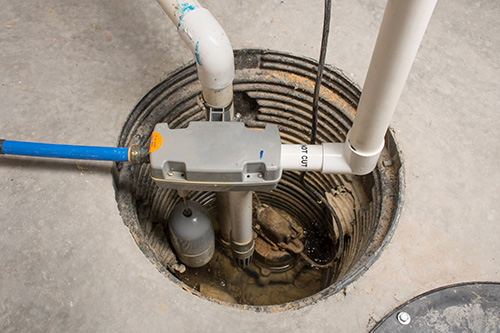
While sump pits can be a pathway for radon, they can also be part of the solution. Many radon mitigation systems incorporate sealed sump pit covers connected to vent pipes and fans. This setup safely draws radon from under the home and releases it outside, keeping indoor air safe while still allowing the sump pump to function properly.
Why Testing Matters
Radon can’t be seen, smelled, or tasted, so testing is the only way to know if your home is at risk. Homes with basements or sump pumps are often more susceptible, making testing and professional evaluation especially important.
Protect Your Home
Properly sealing your sump pit and installing a professional radon mitigation system can significantly reduce radon levels, improving indoor air quality and protecting your family’s health.
If you’re concerned about radon in your home or want to learn more about mitigation options, Radon Systems LLC can provide expert testing and solutions to keep your home safe.


