



Understanding the Components of a Residential Radon Mitigation System
Radon is a naturally occurring radioactive gas that can enter homes through foundation openings, cracks, and other pathways. Because it is colorless and odorless, homeowners cannot detect elevated radon levels without proper testing. When high levels are identified, a professionally installed radon mitigation system can help reduce indoor radon concentrations.
At Radon Systems LLC, we help homeowners understand the importance of effective radon mitigation. Knowing the main components of a residential system can make it easier to understand how it works and why proper installation and maintenance matter.
1. Suction Point
The suction point is the area where the system draws radon from beneath the home's foundation. It is typically created through a small opening in the concrete slab or another suitable location, depending on the property's construction.
This allows the system to collect radon from the soil before it can enter the living space.
2. PVC Vent Piping
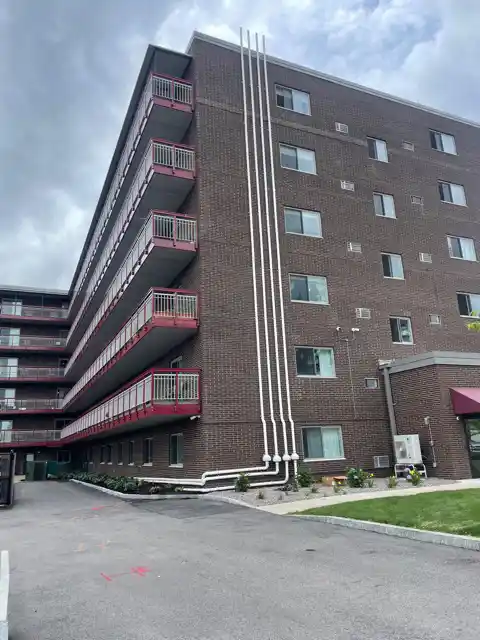
Vent piping connects the suction point to the radon fan and provides a pathway for radon gas to travel safely outside. The piping is routed according to the home's layout and applicable installation requirements.
Proper pipe placement and sealing help maintain the system's effectiveness.
3. Radon Mitigation Fan
The fan is one of the most important components of an active radon mitigation system. It creates suction beneath the foundation, helping redirect radon gas through the vent pipe and discharge it outdoors.
The appropriate fan depends on the home's foundation, soil conditions, and system design. Professional selection and installation help ensure the system operates as intended.
4. System Discharge Point
Once radon travels through the vent piping, it is released outdoors at a designated discharge point. Its location is carefully selected to help prevent the gas from re-entering the home through windows, doors, or other openings.
Proper discharge placement is an important part of a well-designed mitigation system.
5. Manometer or System Monitoring Device
Many active radon mitigation systems include a manometer, a monitoring device that helps homeowners check whether the system is operating and maintaining pressure within the vent piping.
Although it does not measure indoor radon concentration, it can provide an indication of system performance. If the reading changes unexpectedly or the fan stops operating, professional inspection may be necessary.
6. Sealing of Foundation Openings
Cracks, gaps, and other openings in the foundation can provide pathways for radon to enter a home. During mitigation, appropriate openings may be sealed to help improve system performance.
Sealing alone is generally not a substitute for a properly designed mitigation system, but it can support the overall radon reduction process.
Why Professional Radon Mitigation Matters
Every home has different foundation conditions, construction features, and potential radon entry points. For this reason, a mitigation system should be designed around the property's specific needs rather than relying on a one-size-fits-all approach.
Professional installation helps ensure that the components work together effectively. After installation, follow-up radon testing is also important to confirm that indoor radon levels have been reduced.
Contact Radon Systems LLC for Professional Radon Solutions
Understanding the components of a residential radon mitigation system is a helpful first step toward improving your home's indoor air quality. From the suction point and vent piping to the mitigation fan and monitoring device, each component plays a role in reducing radon exposure.
Radon Systems LLC provides professional radon mitigation solutions designed to address the needs of individual properties. If you have concerns about radon levels in your home or need assistance with an existing system, contact Radon Systems LLC to learn more about available services.


