



Signs Your Sump Pump Is Compromising Your Radon Mitigation System
A properly functioning radon mitigation system is essential for keeping your home safe from harmful radon gas. However, did you know that your sump pump — a critical component for basement water management — can sometimes interfere with the effectiveness of this system? At Radon Systems LLC, we help homeowners identify potential issues before they compromise indoor air quality, protecting both their health and their property.
1. Unusually High Radon Levels
One of the first signs that a sump pump may be affecting your radon system is a sudden increase in radon readings. If your radon monitor shows elevated levels despite an active mitigation system, it could indicate that the sump pump is creating air pathways or altering suction in the system, reducing its efficiency.
2. Improper Sump Pit Covers
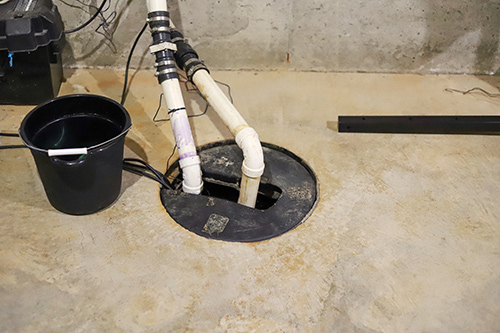
Radon mitigation systems often use the sump pit as a suction point to vent gas out of the home. If the sump pit cover is loose, damaged, or not airtight, the radon system may not function correctly. A compromised cover allows radon gas to bypass the venting system, raising indoor levels and potentially putting your family at risk.
3. Excessive Water Around the Sump Pit
Frequent flooding, leaks, or standing water around your sump pump can interfere with the airflow needed for effective radon mitigation. Water can create pressure changes that alter the suction of the system, reducing its ability to draw radon gas from beneath the foundation. This is especially important in areas prone to heavy rainfall or high water tables.
4. Strange Noises or Vibration
If your sump pump is vibrating excessively or producing unusual sounds, it may indicate mechanical issues that are affecting the pit seal or airflow. Even minor misalignment or debris can compromise the connection between the sump pit and the radon vent, reducing system performance.
5. Visible Gaps or Cracks Around the Pit
Cracks, gaps, or poorly sealed plumbing near the sump pit are common ways radon gas can escape into the basement instead of being vented outside. Even small openings can undermine the efficiency of the radon system, and these often go unnoticed until testing reveals elevated radon levels.
What You Should Do
If you notice any of these signs, it’s important to contact a radon mitigation professional promptly. At Radon Systems LLC, our experienced team can inspect your sump pump, pit cover, and mitigation system to ensure everything is working properly. We provide solutions such as resealing sump pits, adjusting system suction, and repairing or replacing components as needed to restore optimal radon protection.
Preventive Measures
- Schedule regular inspections of both your sump pump and radon mitigation system.
- Ensure your sump pit cover is airtight and in good condition.
- Address basement leaks and flooding immediately to prevent airflow disruption.
- Keep detailed records of radon testing results to monitor any sudden changes.
Maintaining a safe and healthy home requires attention to both water management and radon mitigation. By keeping your sump pump functioning properly and ensuring it doesn’t interfere with your radon system, you can protect your family from potential health risks and prevent costly repairs down the line.
Contact Radon Systems LLC today for a professional evaluation and ensure your home’s radon mitigation system is performing at its best.


