



How to Tell If Your Sump Pit Is Allowing Radon Gas to Enter
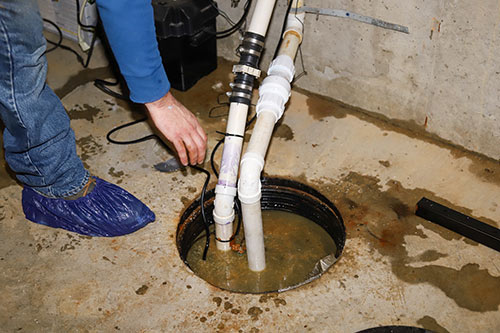
Your home’s sump pit plays an important role in keeping your basement dry, but it can also be a hidden pathway for radon gas to enter your living space. Radon is a naturally occurring radioactive gas that seeps from the soil into homes through cracks, drains, and other openings—including unsealed sump pits. Because it’s odorless and invisible, you won’t notice it without proper testing. At Radon Systems LLC, we often find that sump pits are one of the most common sources of radon entry in homes with basements or crawl spaces.
When a sump pit is uncovered or poorly sealed, air can easily move between the pit and the rest of your basement. Since radon gas travels upward from the soil, any gap or opening around the sump lid or discharge line can allow it to escape into the air you breathe. Over time, this can lead to elevated indoor radon levels, posing serious health risks if left unaddressed.
One of the first signs that your sump pit might be allowing radon gas in is a missing or loose cover. Many sump pits are left open to make maintenance easier, but that open design creates a direct channel from the soil into your basement. Even pits with lids can leak if the cover isn’t airtight or if there are gaps around the pump pipes, cords, or edges. You might also notice humidity or musty smells near the pit—these don’t indicate radon directly, but they suggest poor sealing and airflow that can let gases pass through.
Another warning sign is persistent high radon levels despite mitigation efforts. If you’ve already installed a radon mitigation system but your readings remain elevated, your sump pit may be the missing piece. In many cases, sealing the pit properly with an airtight cover and gaskets can significantly reduce radon entry.
The most reliable way to confirm whether your sump pit is leaking radon is through professional testing. A certified radon specialist can measure gas concentrations around the pit and throughout the basement, then inspect your sump system for cracks, open joints, or unsealed penetrations. Based on the findings, they can recommend sealing solutions or integrate the sump pit into your existing mitigation system for long-term protection.
At Radon Systems LLC, we specialize in identifying and sealing radon entry points, including sump pits, floor drains, and foundation cracks. Our technicians use high-quality airtight lids and professional sealing materials designed to keep radon out while allowing easy access for maintenance.
If you haven’t had your sump pit inspected or sealed, now is the perfect time to take action. Contact Radon Systems LLC today for expert testing and mitigation solutions that ensure your basement stays dry—and your home stays safe from radon gas.


