


How to Maintain a Sump Pump Without Compromising Your Radon Mitigation System
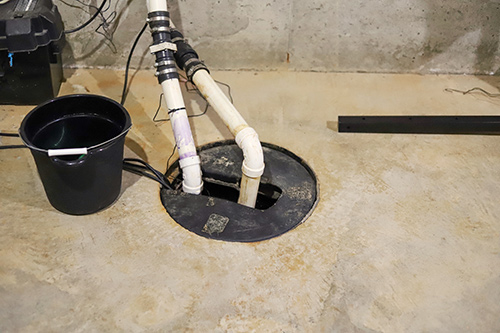
A sump pump plays an important role in protecting a basement from unwanted water, especially during periods of heavy rain or rising groundwater. However, homeowners with radon mitigation systems need to consider another important factor when maintaining their sump pumps: keeping the basement properly sealed against radon gas.
Sump pits can create potential entry points for radon, a naturally occurring radioactive gas that moves from the soil into buildings through openings in foundations. If a sump pit is part of an existing radon mitigation system, improper maintenance or changes to its cover and connections could interfere with the system's performance. Understanding how these systems work together can help homeowners protect both their basements and indoor air quality.
Keep the Sump Pit Cover Properly Sealed
One of the most important considerations is maintaining an appropriate sump pit cover. An uncovered or poorly sealed sump pit can allow soil gases, including radon, to enter the basement.
If your sump pit has a specialized radon-resistant cover, make sure it remains properly secured and that its seals are intact. Avoid removing, drilling into, or modifying the cover without understanding how those changes may affect the radon mitigation system.
A properly designed cover should also allow access for necessary sump pump maintenance while maintaining an appropriate seal when closed.
Inspect the Sump Pump Without Disturbing Radon Components
Routine sump pump inspections help identify potential problems before they lead to basement flooding. Homeowners should periodically check for visible signs of wear, unusual operation, or water accumulation around the sump pit.
However, be careful around radon mitigation piping, seals, and other connected components. Avoid disconnecting pipes, loosening fittings, or making modifications to the sump pit assembly. If maintenance requires removing part of a sealed cover or accessing components connected to the radon system, consider having a qualified professional handle the work.
Check for Signs of Radon System Damage
A sump pump and radon mitigation system may share components or operate around the same foundation area. This makes it important to watch for changes that could affect either system.
Look for damaged seals, loose pipe connections, cracks around the sump pit cover, or unusual changes in the radon system's operation. If your radon mitigation system includes a fan and a visual pressure indicator, periodically check the indicator according to the manufacturer's instructions.
A change in the indicator reading or an unusual fan noise may warrant professional inspection. Remember that a pressure indicator is not a direct measurement of indoor radon levels. It only helps show whether the mitigation system is operating under the expected pressure conditions. Periodic radon testing is still important to confirm that the system is effectively reducing radon concentrations in your home.
Test Your Home for Radon After Sump Pump Work
If you have replaced a sump pump, repaired the pit, or modified its cover, consider testing your home for radon. Changes to the sump pit assembly can affect how well the area is sealed. Periodic radon testing helps confirm that your mitigation system is still working effectively.
Work With a Professional
Proper sump pump maintenance helps prevent water damage, but it should not compromise your radon protection. Avoid modifying sealed covers, pipes, or system connections without professional guidance.
Keeping both systems properly maintained helps protect your basement from water intrusion while supporting better indoor air quality.
Need help with your radon mitigation system? Contact Radon Systems LLC for professional radon testing, inspection, and mitigation services.


