



How Radon Mitigation Professionals Work Around Existing Sump Systems
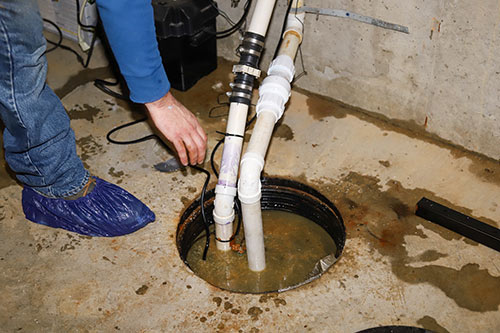
Many Sutton homes with basements or crawl spaces already have a sump system in place to help manage groundwater. If a home also needs radon mitigation, the existing sump pit can become an important part of the overall system design.
Rather than treating the sump system and radon mitigation as completely separate projects, a professional can evaluate how they interact and determine an appropriate approach for the property.
Why Sump Pits Matter for Radon Mitigation
Sump pits can provide a pathway between the soil beneath a home and the indoor environment. Since radon is a naturally occurring radioactive gas that can enter buildings through openings in the foundation, an uncovered or improperly sealed sump pit may be one potential entry point.
This doesn't mean every sump pit is automatically causing a radon problem. However, it is one of the areas a radon professional may inspect when evaluating a basement or crawl space.
Sealing the Sump Pit
A properly fitted, radon-resistant sump cover can help limit the movement of soil gas into the living space while still allowing the sump system to function as intended.
The cover should provide an appropriate seal around the pit while accommodating necessary components such as the pump discharge pipe and electrical connections. Simply placing a loose cover over the opening may not provide the same level of protection.
Connecting Mitigation to an Existing Sump System
In some homes, the existing sump pit may be incorporated into the radon mitigation strategy. A mitigation professional can determine whether the pit and surrounding foundation conditions are suitable for this approach.
The goal is to draw soil gas from beneath the building and route it safely outside rather than allowing it to accumulate indoors. The exact configuration depends on the home's foundation, drainage system, sump design, and other site-specific factors.
Protecting the Sump System
Radon mitigation should not interfere with the sump pump's primary purpose of removing groundwater. A professional installation takes the existing drainage system into consideration when designing the mitigation system.
This is particularly important in basements where the sump pump plays a major role in protecting the property from water intrusion.
Why Professional Evaluation Matters
Every home has different foundation and drainage characteristics. A professional radon assessment can identify potential radon entry points and determine how an existing sump system fits into the overall mitigation plan.
Testing before and after mitigation is also important. A radon mitigation system should be evaluated based on measured radon levels rather than assumptions about the home's construction.
Protecting Your Home From Below
At Radon Systems LLC, we understand that effective radon mitigation requires more than installing a fan and pipe. Existing sump systems, foundation openings, drainage components, and other characteristics of the home all need to be considered when developing an appropriate solution.
If your home in Sutton, MA has a sump system and elevated radon levels, contact Radon Systems LLC. We can help determine how the existing system can be accommodated as part of a properly designed radon mitigation system.


