



How Radon Levels Change with the Seasons – What Homeowners Should Know
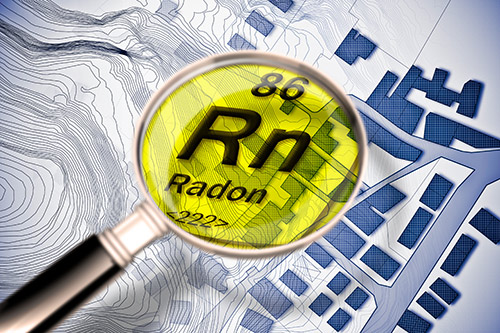
Radon is a naturally occurring, radioactive gas that can seep into homes through cracks in the foundation or gaps around pipes. While it’s invisible and odorless, prolonged exposure to high radon levels can pose serious health risks. At Radon Systems LLC, we help homeowners understand radon and take proactive steps to keep their homes safe year-round.
One important factor many people overlook is how radon levels fluctuate with the seasons. During colder months, homes are often tightly sealed to conserve heat. This reduced ventilation can cause radon to accumulate, leading to higher indoor concentrations. Conversely, in warmer months, open windows, doors, and increased airflow can help lower radon levels temporarily.
Here are a few seasonal tips to manage radon effectively:
1. Test Your Home Regularly
Radon levels can change throughout the year. Regular testing in different seasons ensures you know your home’s true radon risk. Short-term tests are convenient, while long-term tests give a better picture of annual exposure.
2. Maintain Your Radon Mitigation System
If your home already has a radon mitigation system, make sure it’s functioning properly year-round. Seasonal maintenance checks can prevent malfunctions and ensure consistent protection.
3. Adjust Ventilation Mindfully
Opening windows and using fans during warmer months can reduce radon accumulation. In winter, rely on your mitigation system rather than natural ventilation to control levels safely.
4. Work with Professionals
Professional radon mitigation ensures your home stays below EPA recommended levels, regardless of the season. Experts can also advise on seasonal adjustments to your system for optimal safety.
Understanding how radon levels shift with the seasons is key to protecting your family. With proper testing, maintenance, and professional guidance from The Radon Systems LLC, you can keep your indoor air safe all year long.


