



How Radon Can Enter Your Home Through a Sump Pit
Radon is a naturally occurring radioactive gas that can enter homes through openings and pathways connected to the soil beneath and around a building. While many homeowners understand that cracks in basement floors and foundations can allow radon inside, sump pits can also provide a potential entry point when they are not properly sealed.
Understanding the connection between sump pits and radon can help homeowners take appropriate steps to protect their indoor air quality.
Why Can Radon Enter Through a Sump Pit?
Radon is produced naturally as uranium in soil and rock breaks down. Because the gas is invisible and odorless, it can move through the soil and find openings into a home.
A sump pit is typically connected to the soil beneath the basement floor. If the pit is open or poorly sealed, radon-containing soil gas may enter the basement through the opening.
Once inside, radon can accumulate, particularly in lower levels of a home where ventilation may be limited.
How Does a Sump Pit Allow Radon Inside?
Several factors can contribute to radon entering through a sump pit:
- Open sump pits: An uncovered pit creates a direct opening between the soil and indoor space.
- Poorly sealed covers: Gaps around the cover or where pipes pass through can allow soil gas to enter.
- Air pressure differences: Lower indoor air pressure can draw gases from the soil into the home.
- Foundation pathways: Cracks, joints, floor drains, and other openings can provide additional routes for radon.
Simply having a sump pit does not necessarily mean your home has elevated radon levels. Testing is the best way to determine the radon level inside your home.
Can You Seal a Sump Pit to Help Prevent Radon Entry?
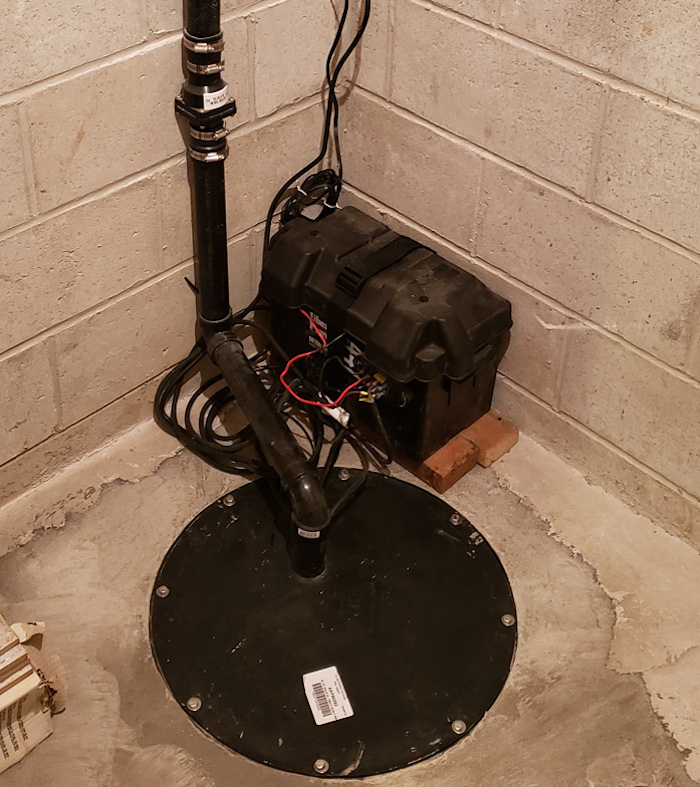
A properly fitted, airtight sump pit cover can help reduce the potential for soil gas to enter through the pit. The cover should be securely sealed while still allowing appropriate access for sump pump maintenance.
If a home requires radon mitigation, the sump pit may also be incorporated into a professionally designed mitigation system. The system can use controlled ventilation to collect radon from beneath the home and safely exhaust it outdoors.
Should You Test Your Home for Radon?
Because you cannot see, smell, or taste radon, testing is the only way to know whether elevated levels are present. Testing can be especially important in homes with basements, crawl spaces, or other areas in contact with the ground.
If testing indicates elevated radon levels, a qualified radon professional can evaluate the property and recommend an appropriate mitigation approach.
Protect Your Home With Professional Radon Solutions
A sump pit can be an important part of a home's drainage system, but it may also provide a pathway for soil gas when it is not properly sealed. Understanding potential entry points is an important part of maintaining a healthier indoor environment.
Radon Systems LLC provides professional radon testing and mitigation solutions designed to address radon concerns in residential properties. If you're concerned about radon entering your home through a sump pit or other foundation openings, contact Radon Systems LLC to learn more about your options.


