



How Often Should an Active Soil Depressurization System Be Inspected?
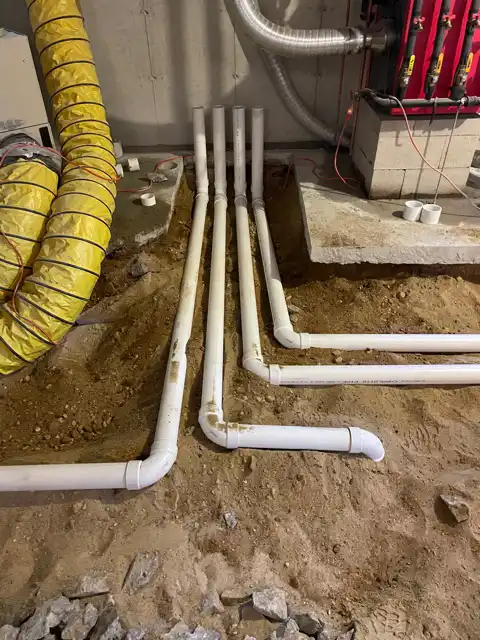
An active soil depressurization (ASD) system plays an important role in reducing radon levels inside a home. By using a fan to draw radon-containing soil gas from beneath the foundation and vent it outdoors, the system helps limit the amount of radon that enters the living space. However, like any mechanical system, it needs periodic attention to help ensure it continues to operate as intended.
For homeowners with an existing radon mitigation system, understanding when to check its components and retest indoor radon levels can help maintain a healthier indoor environment.
How Often Should You Check Your Radon Mitigation System?
Homeowners should check their active soil depressurization system regularly and follow the manufacturer's recommendations and their radon mitigation contractor's maintenance guidance. A quick visual check every few months can help identify obvious changes, while a professional inspection may be appropriate if the system shows signs of trouble or has not been evaluated in some time.
During a routine check, look at the system's warning device or manometer, if installed. This instrument helps indicate whether the system is maintaining the expected pressure difference. The reading should generally remain within the range established when the system was installed. If the reading changes significantly, contact a qualified radon professional to determine the cause.
It is also worth checking for unusual fan noises, visible damage to vent piping, loose connections, or other changes that could affect system operation. Avoid attempting electrical repairs or dismantling system components yourself.
Signs Your Active Soil Depressurization System Needs Attention
An ASD system may continue running even when a component is not working properly. That's why knowing what to watch for matters. Warning signs include a fan that has stopped running, unusual vibrations or noises, a changed manometer reading, or damaged vent pipes.
If you notice any of these issues, arrange for a qualified professional to assess the system. A malfunctioning fan or a problem with the piping may reduce the system's ability to remove soil gas effectively. Because these issues are not always obvious, periodic checks should be accompanied by radon testing.
Why Radon Retesting Is Important
A functioning fan does not automatically guarantee that indoor radon levels remain low. Radon concentrations can change due to seasonal conditions, building alterations, foundation changes, and other factors.
The U.S. Environmental Protection Agency recommends retesting a home at least every two years after radon mitigation and whenever changes to the home or building use could affect radon levels. Testing is also important after system repairs or modifications to help confirm that the mitigation system is performing effectively.
If test results are elevated, a radon professional can evaluate the system and recommend appropriate next steps. Following reliable testing practices provides a clearer picture of indoor radon levels than relying on the system's operating indicators alone.
Keep Your Radon Mitigation System Operating as Intended
Regular observation, timely repairs, and periodic radon testing can help homeowners identify problems before they go unnoticed for too long. Although an active soil depressurization system is designed to operate continuously, it should not be treated as a maintenance-free solution.
Radon Systems LLC helps homeowners address radon concerns with appropriate mitigation solutions and system support. If your active soil depressurization system needs an inspection, your fan or pressure indicator has changed, or you simply want to verify that your system is operating as intended, contact Radon Systems LLC to discuss your needs and determine the appropriate next steps.


