



How Frozen Discharge Lines Can Affect Your Sump Pump and Radon System
Winter weather brings freezing temperatures, ice, and snow — and while you’re keeping warm indoors, your home’s hidden systems are working hard to protect you. Two of the most important ones are your sump pump and radon mitigation system. But when freezing temperatures hit, frozen discharge lines can cause big problems for both.
At Radon Systems LLC, we want homeowners to understand how these systems interact — and how a simple freeze can disrupt their performance and your safety.
1. What Happens When a Discharge Line Freezes
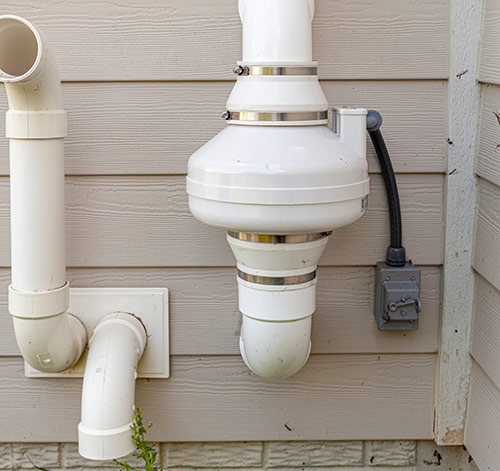
Your sump pump and radon mitigation system both rely on discharge lines to move water or gases safely out of your home. In winter, these pipes can freeze if the water inside doesn’t fully drain or if cold air seeps in.
When a line freezes, it creates a blockage. That blockage can cause:
- Sump pump failure, leading to flooding in your basement
- Radon fan backpressure, which can push radon gas back into your living space
- System damage, as the pump or fan is forced to work harder than normal
2. Why Winter Increases the Risk
During freezing weather, the ground around your home can hold cold moisture, and sump pumps may cycle less frequently. Stagnant water in the discharge line can easily freeze overnight. Similarly, radon vent pipes exposed to outdoor air can freeze at the exhaust point, especially if moisture builds up.
3. How to Prevent Frozen Discharge Lines
A few simple steps can protect both your sump pump and radon mitigation system all winter long:
- Ensure proper slope and drainage so water fully exits the line after each pump cycle.
- Install insulation or a heat trace cable around exposed discharge pipes.
- Keep the discharge outlet clear of snow, ice, and debris.
- Check your systems regularly — especially after heavy snow or extreme cold.
- Have your systems professionally inspected before deep winter sets in.
4. Why It Matters for Radon Safety
If your radon system’s discharge point freezes, airflow becomes restricted — and radon levels inside your home can rise quickly. Because winter tends to trap air indoors, this makes it even more important to ensure your mitigation system is working efficiently.
Regular monitoring and winter maintenance can prevent dangerous radon buildup and keep your system running smoothly all year long.
Keep Your Home Safe This Winter
Frozen discharge lines can silently compromise your home’s protection from both water damage and radon gas. By taking a few preventative steps — or scheduling a professional inspection — you can rest easy knowing your systems are working properly, even in the coldest months.
At Radon Systems LLC, we specialize in radon mitigation, system maintenance, and cold-weather protection. Our experts can help ensure your sump pump and radon system stay clear, functional, and safe this winter.
Contact Radon Systems LLC today to schedule a winter system check or learn more about preventing frozen discharge lines before the temperatures drop.


