



Common Sump Pit Issues That Can Affect Radon Mitigation
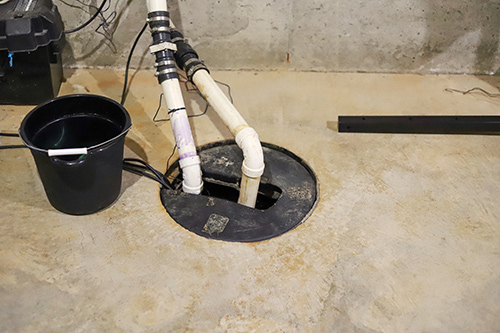
A sump pump is a significant component in many basements, as it helps eliminate groundwater while keeping the home protected from moisture problems. However, the sump pit is also connected to the soil underneath the foundation, indicating that it can be a key factor when assessing a home's radon mitigation requirements.
Sump pits that are poorly maintained may facilitate access for soil gases to enter the home. Learning about common sump pit problems can help homeowners understand that the sump system should be taken into account when tackling elevated radon levels.
1. An Uncovered Sump Pit
A sump pit that is left uncovered can create easy access between the basement and the area underneath the home. While an uncovered pit may allow convenient access to the pump, it can also offer a potential entry point for radon and other soil gases.
A properly fitted, sealed sump cover designed for the application can help minimize this access while still allowing the sump pump to function.
2. A Defective or Improperly Fitted Cover
Homeowners should not settle for a damaged sump cover. Cracks, gaps, loose fittings, or openings around pipes and cords can defeat the purpose of the cover in providing an adequate seal.
These specifics may be worth evaluating during the inspection because even fairly small openings can be potential entry points for soil gas movement.
3. Open Areas Around Pipes and Components
Sump systems contain many components, including discharge pipes and electrical wiring, that go through or around the pit cover. If these gaps are poorly sealed, they can provide additional access between the sump pit and basement.
Radon mitigation professionals can help check these areas and evaluate whether upgrades are necessary as part of the overall radon mitigation plan.
4. Improperly Sealed Connections
The area around the sump basin can also play a role. Openings between the basin and surrounding concrete or other foundation gaps may enable soil gases to get around the cover.
Correcting these areas requires consideration of the sump's installation and the home's foundation—a mere application of sealant without inspecting the system as a whole wouldn't suffice.
5. Sump Issues That Indicate Broader Basement Problems
Water entering a sump pit is normal in homes designed to use sump systems. However, excessive moisture, drainage problems, foundation cracks, or other basement conditions may require more attention.
These issues don't automatically mean a home has elevated radon levels, but they can be useful information when assessing the overall condition of the basement and foundation.
6. Overlooking Other Radon Mitigation Needs
One common misconception is that sealing a sump pit alone will solve a radon issue. Radon can pass through multiple routes, including floor cracks, construction joints, drains, and other openings in contact with the soil.
That's why radon testing and a complete evaluation are important. A mitigation system should address the home's actual conditions rather than relying on a single repair.
A Sump Pit Should Be Part of the Bigger Picture
A sump system and a radon mitigation system have different purposes, but they can overlap when it comes to the movement of soil gases and moisture. Properly evaluating the sump pit can help identify potential entry points and determine how it should be incorporated into a home's mitigation strategy.
Radon Systems LLC provides professional mitigation services designed around the specific characteristics of each home. If your basement has a sump pit and you're concerned about radon, a professional assessment can help identify potential entry points and determine what steps may be appropriate for your property.


