



Common Radon Mitigation Mistakes Homeowners Should Avoid
Radon is an invisible, odorless radioactive gas that can enter homes through cracks and openings in the foundation. Because you cannot see or smell radon, proper testing and mitigation are important steps in maintaining a healthier indoor environment. However, homeowners can make mistakes when testing for or addressing elevated radon levels.
Knowing what to avoid can help you make better decisions about radon mitigation and protect your home for the long term.
1. Skipping Radon Testing
One of the biggest mistakes is assuming your home does not have a radon problem simply because you cannot detect anything unusual. Radon levels can vary significantly between homes, even among neighboring properties.
Radon testing is the best way to determine whether elevated levels are present. Testing is particularly important when buying a home, after major renovations, or if your home has never been tested.
2. Trying to Fix High Radon Levels With DIY Methods
Homeowners may try sealing cracks, improving ventilation, or opening windows to reduce radon. While sealing certain openings can be part of a mitigation strategy, these steps alone may not adequately control radon levels.
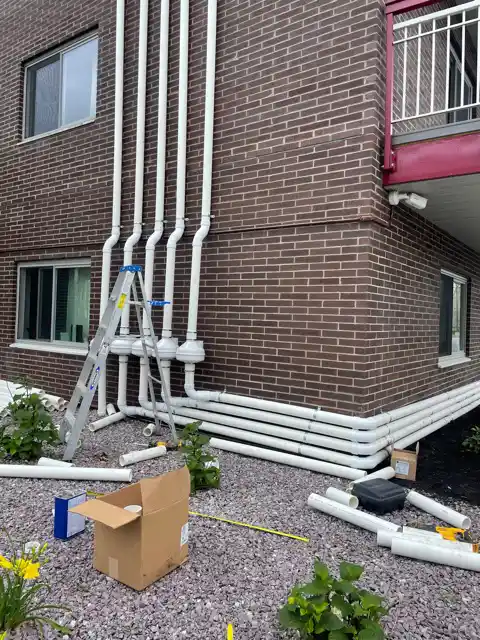
A professionally designed radon mitigation system is often the more reliable approach when testing confirms elevated levels.
3. Choosing an Inexperienced Installer
A radon mitigation system needs to be properly designed and installed for the home's foundation, soil conditions, and construction. Choosing an installer based solely on the lowest price can result in an ineffective system or unnecessary repairs later.
Look for a qualified professional with experience installing and servicing radon mitigation systems.
4. Forgetting to Test Again After Mitigation
Installing a mitigation system is not necessarily the final step. Homeowners should verify that the system has effectively reduced radon concentrations.
Post-mitigation radon testing can help confirm that the system is performing as intended and that additional adjustments are not needed.
5. Ignoring System Maintenance
Like other components of a home, a radon mitigation system should not simply be forgotten after installation. Homeowners should periodically check the system and pay attention to warning devices, fans, or other components.
If you notice unusual noises, visible damage, or a change in system performance, have the system inspected by a qualified professional.
6. Assuming One Test Is Always Enough
Radon levels can fluctuate due to weather, ventilation, soil conditions, and other factors. A single test provides useful information, but homeowners may benefit from additional testing depending on their circumstances.
Following appropriate testing recommendations can provide a clearer picture of radon levels over time.
Protect Your Home From Elevated Radon Levels
Avoiding common radon mitigation mistakes can make it easier to identify elevated radon levels and take appropriate action. From initial radon testing to professional mitigation and follow-up testing, each step plays an important role in managing radon in your home.
Radon Systems LLC can help homeowners understand their radon levels and explore appropriate mitigation solutions. If you're concerned about radon in your home, contact Radon Systems LLC to learn more about mitigation options.


