



Common Challenges in Radon Mitigation and How Experts Solve Them
Radon is a naturally occurring radioactive gas that can seep into homes and buildings, posing serious health risks. While radon mitigation systems are highly effective, homeowners often encounter challenges during installation, operation, or maintenance. Understanding these common obstacles—and how certified radon mitigation experts address them—ensures your home remains safe and compliant with recommended standards.
1. Structural Barriers in Older Homes
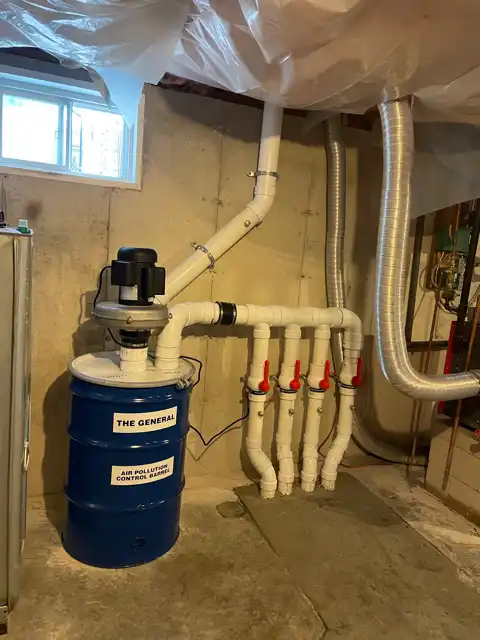
Older homes or buildings with complex foundations can make radon mitigation more complicated. Cracks in concrete slabs, irregular basements, or multiple levels may require customized venting solutions. Certified radon mitigation professionals use advanced diagnostic tools to identify the most effective suction points and ventilation paths, often employing multiple suction pits or sub-slab depressurization systems to ensure consistent radon reduction.
2. High Radon Levels Despite Mitigation
Sometimes, a mitigation system may initially reduce radon levels but fail to bring them below the EPA action level of 4 pCi/L. This can happen due to insufficient suction, changes in soil moisture, or improper system sizing. Experts address this by performing post-installation testing, adjusting fan speeds, adding secondary suction points, or upgrading vent pipe configurations to optimize airflow and efficiency.
3. Indoor Airflow and Home Renovations
Changes in home ventilation, insulation, or basement remodeling can impact radon system performance. For example, tightening a home with energy-efficient upgrades may inadvertently alter pressure differentials, affecting radon mitigation effectiveness. Skilled professionals regularly evaluate airflow patterns and can recalibrate the system, install additional vents, or provide guidance on maintaining proper balance without compromising home comfort.
4. System Maintenance and Longevity
Even the best mitigation systems require routine monitoring and maintenance. Fans, pipes, and monitoring devices can wear over time, reducing efficiency. Certified mitigation experts offer long-term service plans, including fan checks, pipe inspections, and continuous radon monitoring to ensure your system continues to operate at peak performance.
5. Navigating Regulations and Safety Standards
Compliance with EPA, state, and local radon regulations is critical for legal and safety reasons. Professionals not only install systems correctly but also provide documentation and guidance for real estate transactions, new construction, or insurance requirements, ensuring homeowners stay fully informed and protected.
Trust Experts for Peace of Mind
Radon mitigation is not a one-size-fits-all process. By addressing structural challenges, monitoring system performance, and staying up-to-date on regulatory standards, Radon Systems LLC ensures your home remains safe from radon exposure. Our certified professionals combine expertise, advanced technology, and proven strategies to solve complex radon problems efficiently and reliably.
Protect your family and home by partnering with experts who understand the science—and the solutions—behind effective radon mitigation.


