



Can Home Renovations Increase Radon Levels?
Home renovations can make a big difference in the comfort, appearance, and value of your property. But some remodeling projects can also unintentionally affect how radon enters and moves through your home. If you are planning a basement remodel, adding living space, replacing flooring, or making structural changes, it is important to consider how those improvements could impact your home's radon levels.
How Can Renovations Affect Radon?
Radon is a naturally occurring radioactive gas that comes from the breakdown of uranium in soil and rock. Because it is invisible and odorless, you cannot detect it without proper testing. Radon can enter a home through cracks in the foundation, construction joints, sump pits, floor drains, and other openings where the building meets the soil.
Renovations can change the way air moves through your home or alter existing pathways through which radon enters. For example, sealing or opening areas of a basement, changing ventilation, or modifying the foundation can affect the pressure differences that draw soil gas into the house.
Basement Remodeling Deserves Special Attention
Finishing an unfinished basement is one of the most common renovations that can affect radon conditions. Adding walls, flooring, insulation, or other materials may change airflow and make previously accessible areas more difficult to inspect.
A finished basement can also become a frequently used living space, increasing the amount of time your family spends in an area that may have elevated radon levels. If you are planning to turn your basement into a bedroom, office, playroom, or family room, consider testing for radon before and after the renovation.
New Flooring and Foundation Work Can Also Matter
Certain renovation projects involve changes to the basement floor or foundation. Installing new flooring, repairing concrete, or altering drainage systems can affect existing radon entry points. While sealing cracks and openings may sometimes help reduce radon entry, sealing alone is not considered a substitute for a properly designed radon mitigation system when elevated levels are present.
Because every home is different, the effect of a renovation on radon levels can vary. The safest approach is to test rather than assume that a project has either improved or worsened your home's radon conditions.
Test Before and After Major Renovations
If you are planning a significant home renovation, radon testing should be part of your project planning. Testing before construction establishes a baseline, while testing after the work is completed can show whether the renovation changed your home's radon levels.
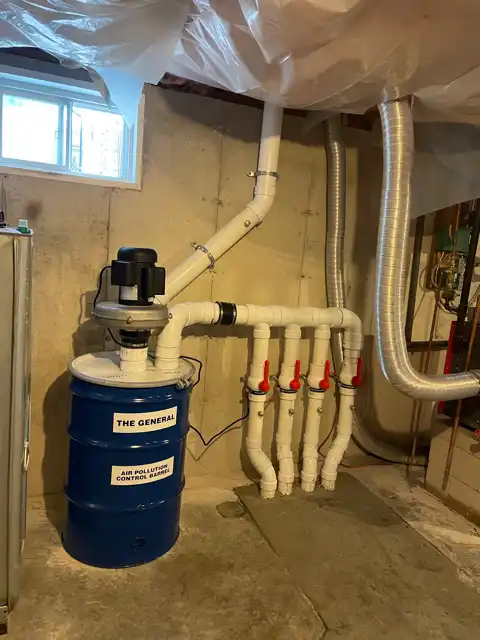
If elevated radon is detected, a professional can evaluate the home and determine whether a mitigation system is appropriate. Radon mitigation systems are designed to reduce radon levels by collecting soil gas from beneath the home and safely exhausting it outdoors.
Protect Your Home During Your Next Remodeling Project
A renovation should improve your home—not create an overlooked indoor air quality concern. If you're planning a basement remodel, foundation work, or another major project, consider having your home tested for radon and addressing elevated levels before the newly renovated space becomes part of your everyday living area.
Radon Systems, LLC can help homeowners understand their radon levels and explore appropriate mitigation options. If you're renovating your home or simply want greater peace of mind, professional radon mitigation can help you create a healthier indoor environment for your family. Contact us today!


